
Home security starts with understanding the basics of locksmith safety and implementing smart practices to protect your property and loved ones. As homeowners in Plainview, NY, it's crucial to stay informed about the latest security measures and potential vulnerabilities that could compromise your home's safety. Whether you're moving into a new house, upgrading your current security system, or simply want to ensure your family's protection, understanding locksmith safety fundamentals can make all the difference between a secure home and a vulnerable one.
In today's world, home security threats continue to evolve, and homeowners must stay one step ahead of potential intruders. The good news is that with the right knowledge and professional guidance, you can significantly reduce your risk of break-ins and unauthorized access. This comprehensive guide will walk you through essential locksmith safety tips that every Plainview homeowner should implement, helping you create a fortress of security around your most valuable asset – your home.
Understanding Your Home's Lock System
Before implementing any security measures, it's essential to understand the different types of locks protecting your home and how they function. Most homes utilize a combination of lock types, each serving a specific purpose in your overall security strategy.
Common Lock Types:
- Deadbolts: The gold standard for exterior door security, offering superior protection against forced entry
- Knob locks: Typically used as secondary locks, but should never be your only line of defense
- Smart locks: Electronic locks that offer keyless entry and remote access capabilities
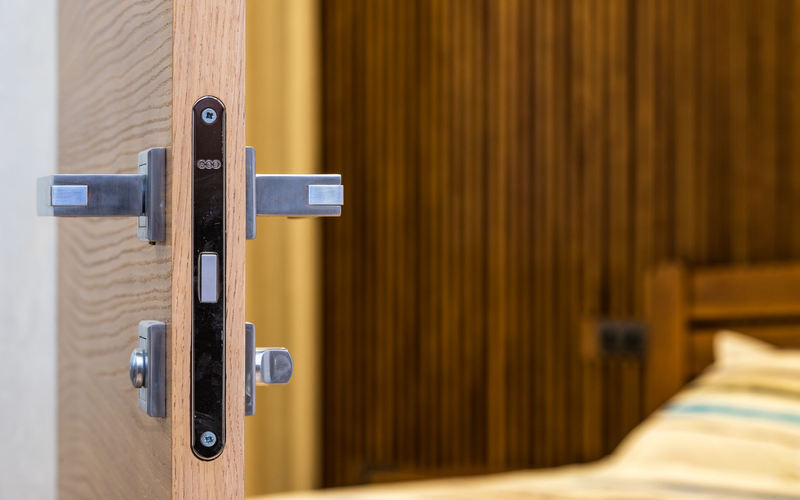
- Mortise locks: Heavy-duty locks commonly found in older homes and commercial properties
- Padlocks: Used for gates, sheds, and other outdoor security needs
Always Rekey or Replace Locks When Moving
One of the most critical yet frequently overlooked locksmith safety tips is rekeying or replacing all locks when you move into a new home. Many homeowners assume they're safe with existing locks, but this assumption can be dangerous.
Consider that previous homeowners, their family members, friends, contractors, real estate agents, and cleaning services may all have had access to keys. Even if keys were supposedly returned, you have no guarantee that copies weren't made. This vulnerability puts your family and possessions at unnecessary risk.
Rekeying is a cost-effective solution that changes the internal pins and springs of your existing locks, rendering old keys useless while allowing you to use new keys. This process is typically less expensive than complete lock replacement and can usually be completed within a few hours by a professional locksmith.
Implement a Key Control Strategy
Proper key management is fundamental to maintaining home security, yet many homeowners are surprisingly casual about where their keys go and who has access to them. Developing a comprehensive key control strategy protects you from unauthorized access and helps you maintain accountability.
Key Control Best Practices:
- Never label keys with your address or any identifying information
- Avoid hiding spare keys in obvious outdoor locations like under doormats, flowerpots, or fake rocks
- Keep track of all keys you distribute and to whom they're given
- Consider keyless entry systems to eliminate physical key vulnerabilities
- Use different keys for different access levels (main house, garage, storage areas)
- Never leave keys in your vehicle or in plain sight
Upgrade to High-Security Locks
Not all locks are created equal, and investing in high-security locks can significantly enhance your home's protection. Standard locks found in most hardware stores offer basic security but can be vulnerable to picking, bumping, and other bypass techniques that criminals use.
High-security locks feature advanced mechanisms that resist common attack methods. These locks typically include:
- Pick-resistant pins and cylinders
- Drill-resistant steel components
- Key control systems that prevent unauthorized duplication
- Patent-protected designs
- Extended warranty coverage
Regular Lock Maintenance and Inspection
Locks, like any mechanical device, require regular maintenance to function properly. A lock that sticks, doesn't latch correctly, or shows signs of wear may fail when you need it most. Regular inspection and maintenance ensure your locks remain reliable security barriers.
Maintenance Schedule:
- Inspect all locks quarterly for signs of wear, rust, or damage
- Lubricate locks annually with graphite powder or silicone-based lubricant (never use oil-based products)
- Test deadbolts to ensure they extend fully and retract smoothly
- Check door alignment to ensure proper lock engagement
- Replace worn keys before they break inside locks
- Address any sticking or difficulty turning keys immediately
Secure All Entry Points
Many homeowners focus exclusively on front door security while neglecting other potential entry points. Comprehensive home security requires protecting every possible access point, including areas that might seem unlikely targets.
Critical Entry Points to Secure:
- All exterior doors (front, back, side, garage)
- Sliding glass doors and patio doors
- Windows, especially ground-level and easily accessible ones
- Basement doors and windows
- Garage doors and service entrances
- Gates and fencing access points
How Locksmiths Unlock Doors Without Keys
Understanding professional locksmith techniques helps you appreciate the importance of quality locks and proper security measures. Many people wonder how locksmiths unlock doors without keys – it's a combination of specialized knowledge, proper tools, and technical skill.
Professional locksmiths use several non-destructive entry methods:
Lock picking: Using specialized tools to manipulate lock pins into the correct position, essentially mimicking the action of the proper key. This requires significant skill and understanding of lock mechanisms.
Lock bumping: A technique using specially cut keys and percussive force to temporarily align pins. This method highlights why high-security locks with bump-resistant features are important.
Lock impressioning: Creating a working key by inserting a blank into the lock and methodically filing it based on the marks left by the pins.
While these techniques are legitimate tools for professional locksmiths helping homeowners regain access, they also illustrate why choosing quality locks and maintaining proper security practices matters. High-security locks are specifically designed to resist these common bypass methods.
Be Cautious When Hiring a Locksmith
Unfortunately, not everyone claiming to be a locksmith has your best interests at heart. Locksmith scams have become increasingly common, with fraudulent operators taking advantage of homeowners in emergency situations. Knowing how to identify legitimate locksmith services protects you from both security risks and financial exploitation.
Warning Signs of Locksmith Scams:
- No physical business address or local presence
- Unmarked vehicles with no company branding
- Quotes that dramatically increase once work begins
- Inability to provide licensing or insurance information
- Insistence on drilling or replacing locks for simple lockouts
- Cash-only payment demands
- Refusal to provide detailed invoicing
Understanding Locksmith Duties and Services
Knowing what professional locksmiths do helps homeowners understand when to call for help and what services they should expect. Locksmiths are security professionals who specialize in far more than just emergency lockouts.
Professional Locksmith Services Include:
- Lock installation, repair, and replacement
- Rekeying services for residential and commercial properties
- Key duplication and master key system creation
- Security assessments and consultations
- Safe installation and servicing
- Emergency lockout assistance
- High-security lock upgrades
- Smart lock installation and programming
- Lock maintenance and inspection
Smart Home Security Integration
Modern technology offers homeowners unprecedented control over their security systems. Smart locks and integrated security solutions provide convenience while potentially enhancing protection, but they also introduce new considerations.
Smart locks offer several advantages:
- Keyless entry eliminates concerns about lost or stolen keys
- Remote access allows you to grant entry from anywhere
- Activity logs show who accessed your home and when
- Temporary access codes for guests or service providers
- Integration with broader home security systems
For Plainview homeowners interested in smart home security, consulting with a professional locksmith ensures proper installation and configuration for maximum security and reliability.
Window Security Often Forgotten
While door locks receive most of the attention, windows represent one of the most common entry points for burglars, especially ground-level and easily accessible windows. Comprehensive home security must include proper window protection.
Window Security Measures:
- Install auxiliary locks on all operable windows
- Use window security film to strengthen glass
- Consider window bars or grilles for high-risk areas
- Ensure window locks are functional and used consistently
- Install window sensors as part of your alarm system
- Keep bushes and landscaping trimmed to eliminate hiding spots
The Truth About Locksmith Costs and Call-Out Fees
Understanding typical locksmith costs helps homeowners budget appropriately and identify price gouging. Many people wonder whether locksmiths charge call-out fees, and the answer varies by company and situation.
Reputable locksmiths typically charge a service call fee that covers the cost of traveling to your location and providing an assessment. This fee is usually applied toward the total cost of services performed. Transparent companies disclose all fees upfront, including:
- Service call or trip charges
- Labor rates (which may vary for after-hours emergencies)
- Parts and materials costs
- Any additional fees for complex jobs
Locks That Locksmiths Cannot Open
While professional locksmiths can open most conventional locks, certain specialized or damaged locks may prove challenging or impossible to open non-destructively. Understanding these limitations helps set realistic expectations.
Challenging Lock Situations:
- Severely damaged or corroded locks where internal mechanisms are compromised
- Certain high-security locks with advanced pick-resistant features (though most can still be opened with specialized techniques)
- Locks where keys have broken off inside and become lodged in the mechanism
- Electronic locks with dead batteries and no manual override
- Locks on certain safes or vaults designed to resist all bypass attempts
Creating a Home Security Checklist
Implementing proper locksmith safety practices is easier with a systematic approach. Use this comprehensive checklist to evaluate and improve your home's security:
Monthly Tasks:
- Test all door locks for proper operation
- Verify that all family members are following key security practices
- Check that outdoor lighting is functioning properly
- Ensure no spare keys are visible or easily accessible
- Inspect all locks for signs of wear or tampering
- Review who has keys to your home
- Test smart lock batteries and functionality
- Evaluate whether any security upgrades are needed
- Schedule professional lock maintenance and inspection
- Lubricate all locks and hinges
- Consider rekeying if you've had multiple key holders during the year
- Update your home security assessment
- Rekey or replace all locks immediately
- Document all keys and their locations
- Consider upgrading to high-security locks
- Review and update your entire security system
Emergency Preparedness
Even with excellent security practices, lock emergencies happen. Being prepared for these situations reduces stress and helps you respond appropriately.
Keep contact information for a trusted local locksmith readily available – save it in your phone and keep a written copy in your wallet or purse. Know the address of your locksmith's physical location, which provides accountability and legitimacy.
If you experience a lockout, stay calm and assess your options:
- Can you access another entrance where you have a key?
- Is a trusted neighbor or family member available with a spare key?
- Are any windows or doors unlocked (though this indicates a security issue to address)?
- Do you need to call a professional locksmith for entry?
The Rubber Band Trick and Other Security Myths
You may have heard about putting a rubber band on a doorknob when you're alone, but this tip is often misunderstood. The rubber band trick actually relates to a potential security threat, not a safety measure.
Criminals have used rubber bands wrapped around doorknobs to prevent latches from engaging, allowing them to push doors open easily. If you ever find a rubber band wrapped around your doorknob, don't remove it and enter – this could indicate someone has tampered with your lock to facilitate later unauthorized entry. Instead, check for signs of attempted entry and consider calling the police.
This highlights why it's important to critically evaluate security advice and rely on proven practices recommended by security professionals rather than internet rumors or questionable tips.
Working With Professional Locksmiths in Plainview
Establishing a relationship with a reliable local locksmith before you need emergency services provides peace of mind and ensures you receive quality, trustworthy service when it matters most.
Plainview New York Locksmith offers comprehensive residential locksmith services tailored to the specific needs of homeowners in the area. With a physical location at 206-10 Pine St, Plainview, NY 11803, you can trust that you're working with a legitimate, established business invested in the local community.
Professional locksmiths provide more than just emergency lockout services – they serve as security consultants who can assess your home's vulnerabilities and recommend practical, cost-effective improvements. Whether you need routine maintenance, lock upgrades, or emergency assistance, having a trusted locksmith relationship ensures you receive fair pricing, quality workmanship, and reliable security solutions.
Conclusion
Home security is not a one-time project but an ongoing commitment to protecting what matters most – your family, your possessions, and your peace of mind. By implementing the locksmith safety tips outlined in this guide, Plainview homeowners can significantly reduce their vulnerability to break-ins and unauthorized access.
Remember these key takeaways:
- Always rekey or replace locks when moving into a new home
- Implement proper key control and avoid obvious hiding spots